In sunny climates like Australia, carports make a practical and sensible addition to any home that lacks a garage, and even some with one. They’re highly convenient, allowing you to keep your car out of the sun and rain without opening a door every time. They’re also very affordable, especially the prefabricated or “kit” types. However, assembling a carport does require some careful planning. Here’s what you need to know before you start.
1. Learn Your Local Authority’s Approval Requirements
While carports aren’t complex to assemble, understanding the permissions you need can be. In Australia, structures like these are covered by national codes, state legislation and specific rules laid down by the local council. To avoid having to take your carport down once it’s up, make sure you’ve got the permissions you need. These often depend on the size of the structure. Smaller carports may not need any approval at all, but don’t assume this.
2. Choose the Right Carport for Your Climate
In Australia, you may be subject to many different types of weather depending on where in the country you’re based. According to the Australian Building Codes Board, there are eight different climate zones across the country. Your carport should be specially designed to hold up well against the weather you’re most likely to face. How can you know if it is? Because reputable manufacturers will ask for your postcode and tell you before selling it.
3. Ask for An Engineer’s Certification
The design, manufacture and testing of steel components are governed by various standards in Australia. These make sure that the parts are sturdy enough to provide the support they’re designed to. For example, a kit carport needs to be able to bear the weight of accumulated rainwater, and perhaps resist powerful winds. To check if you’re buying high-quality steel, look for kits that come with an Engineer’s Certificate or Statement of Compliance.
4. Thoroughly Assess Your Site
The key to successfully customising your home’s exterior isn’t just buying the right products. They need to fit the area where you’re planning to install them properly. Failure to properly assess and measure your site can lead to a lot of frustration and lost money. In addition to measuring the space accurately, you need to account for any space you need to leave between the carport and fences or boundaries.
Also, don’t forget to check whether any important infrastructure runs underneath your site, like communications cables or gas and electric lines.
5. Assess Your Soil and Understand the Footing Requirements
When getting the approvals you need to build a carport, you may be required to submit a soil report. The authorities will then check this against the planned footings of your design, which are the concrete foundations that will keep it in place. The reason the soil is important is that some soil types are very soft and reactive. As they contract and expand, structures with the wrong footings may shift and become unsafe.
6. Plan Your Slab Properly
Some carports, instead of being grounded in footings, are bolted onto the concrete slab underneath the structure. In other words, the surface where you will actually park your vehicles. If this is your plan, it’s crucial to use a slab that is thick and strong enough to support the structure. Generally, this means it should be at least 100mm thick and reinforced. It should also be level, but with some falls for drainage.
7. Decide Whether to Hire Someone or DIY
Carport kits are often marketed as being DIY friendly, and plenty of DIY-savvy homeowners successfully install them by themselves. That said, if you are not an especially handy person, it is often worth paying for a professional installation. While this adds to the price of the carport, it’s a lot cheaper than undoing the damage of an installation that goes wrong, or the hospital bill if an accident happens while using the equipment required.
8. Choose Your Roof Wisely
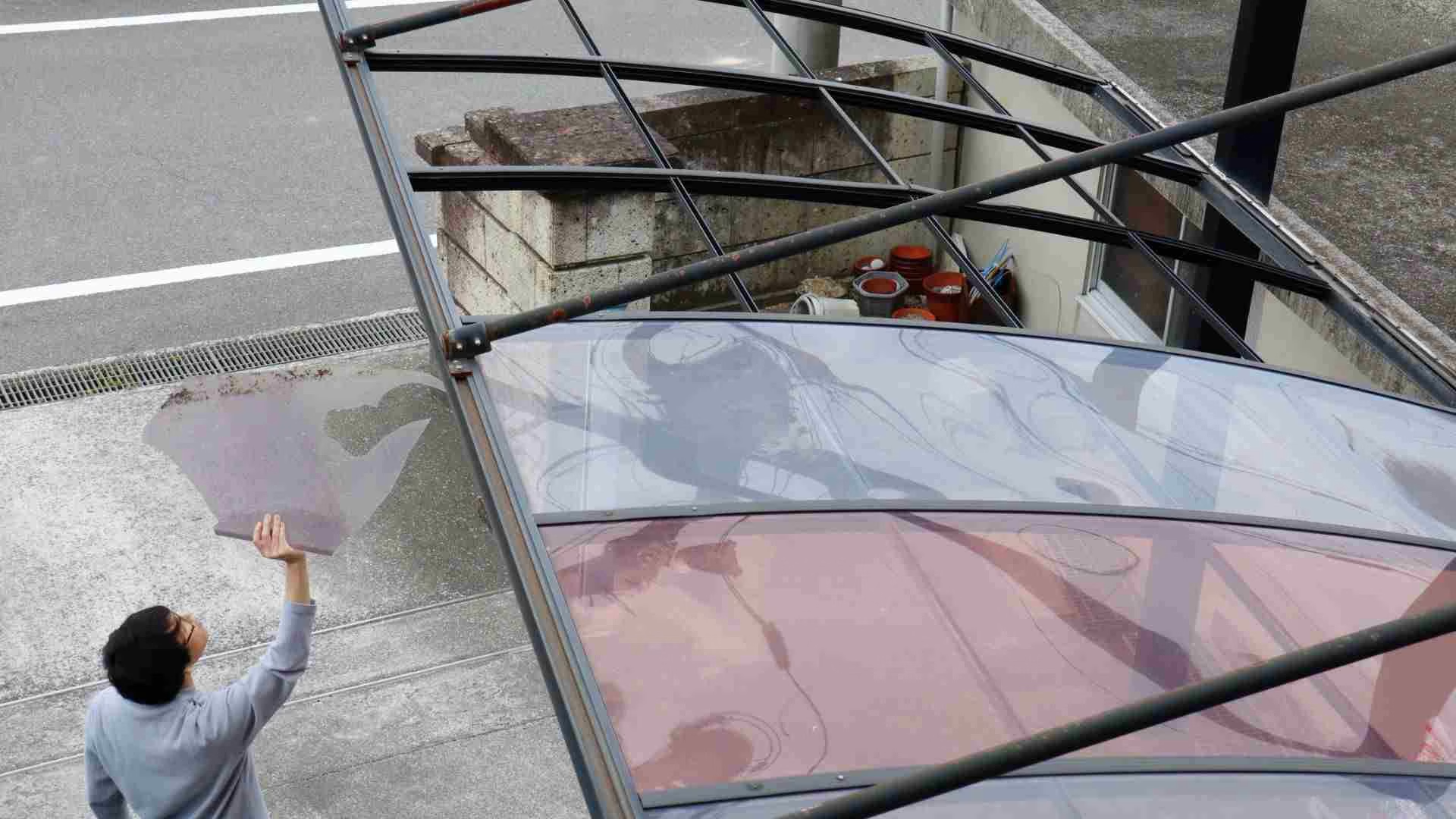
The roof is the most important component of a carport, as it is your main protection against the weather and also plays a major role in the aesthetics of the structure. Corrugated roofing is the most popular choice in Australia, as it drains well and offers plenty of shade. However, it can be loud during the rain, and may rust if it’s made of metal. Polycarbonate sheets are a common alternative that lets natural light through.
9. Budget for More Than the Kit Price
The kit price for your carport is not the final price of the project. In fact, it may just be a fraction of it, so you should keep this in mind when you prepare your budget. Council application fees, engineering certificates, soil reports, concrete pouring and more all add to the cost. And even if you’ve factored all these in, it’s worth adding 15-20% more for contingencies, which are surprisingly common in such projects.
Conclusion
With these essentials covered, you can start building your carport with confidence, and soon your whole family will benefit.