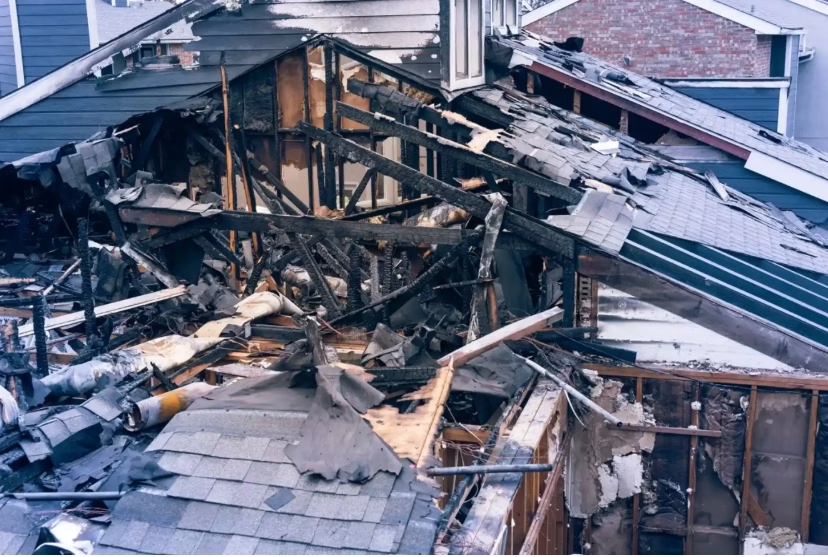
Fire damage doesn’t end when the flames are extinguished. Smoke residue, soot, and structural stress continue to affect a property long after the fire is out. Many homeowners underestimate this hidden damage, assuming that if areas weren’t burned, they weren’t affected.
Understanding the Scope of Fire Damage
Heat travels upward and outward, often damaging areas far from the fire’s origin. Smoke penetrates walls, insulation, HVAC systems, and electrical components. Even light soot can cause long-term discoloration and corrosion if not handled properly.
One common mistake is attempting surface cleaning without addressing air quality and residue embedded in materials. This can trap odors and contaminants inside the building.
Inspection and Safety Assessment
Before restoration begins, the property must be evaluated for safety. Load-bearing structures, flooring, and electrical systems are checked for heat-related weakening. Smoke damage is also assessed, as acidic residues can continue damaging materials over time.
This inspection phase helps prevent reopening areas that could later fail or require additional demolition.
Smoke, Soot, and Odor Removal
Removing smoke damage is not the same as routine cleaning. Specialized equipment and cleaning agents are required to neutralize residues without spreading them further. Air filtration systems are often used to remove fine particles and improve indoor air quality during restoration.
Odor removal is another critical step. Masking odors rarely works long term. Instead, proper neutralization techniques are needed to prevent smells from returning months later.
Repairs and Recovery
Once cleaning and stabilization are complete, damaged materials are repaired or replaced. The goal is to restore both safety and usability without leaving behind compromised structures or later.persistent contamination.
Conclusion
Fire damage restoration requires more than visible cleanup. Smoke, heat, and residue can continue harming a property if not addressed thoroughly. A careful, step-by-step restoration process helps ensure that the building is safe, clean, and fully functional again, without hidden risks resurfacing