Commercial roofing is transforming and is driven by technological innovation, evolving sustainability goals, and stricter building regulations. Business owners and property managers must stay current with the latest advancements and best practices to protect their investments, maximize energy efficiency, and meet regulatory standards.
When making decisions about commercial roofing, it’s essential to choose partners who understand emerging trends and local considerations. For businesses in the Midwest, commercial roofing Kansas City services offer tailored solutions that address climatic challenges and sustainability objectives, ensuring you get the best value and future-proof your property.
The demand for greener, smarter roofs is transforming design and maintenance. From recycled materials to real-time monitoring, these trends benefit business and the environment. This overview of top commercial roofing trends helps property owners make informed decisions for upgrades, replacements, or new builds, positioning them for long-term success.
The Move Toward Sustainable Materials
Sustainability is now a mainstream concern in commercial roofing, with companies adopting eco-friendly materials like recycled rubber, metal roofing, solar-reflective membranes, and living roofs such as moss and sedum mats. These materials reduce waste, lower emissions, and qualify for incentives but may have higher upfront costs and limited regional availability. Stakeholders must balance lifecycle benefits against initial costs, which are improving as demand increases.
Energy Efficiency and Green Roofs
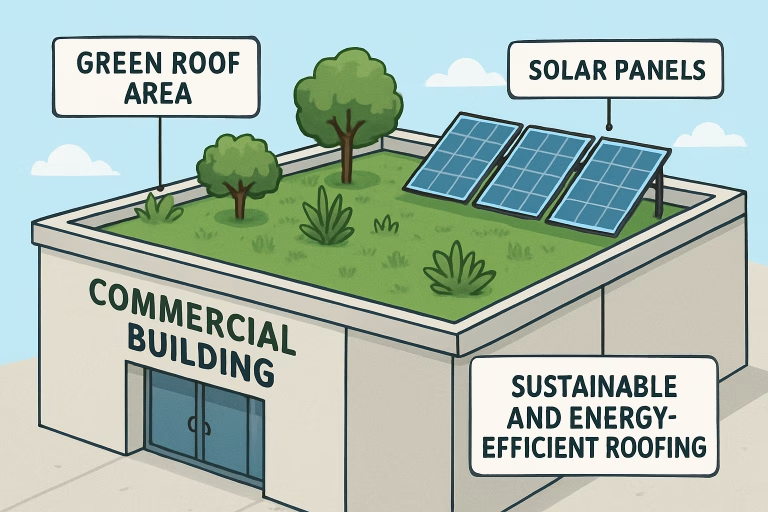
Green roofs and energy-efficient materials can significantly lower cooling and heating costs for commercial buildings. Living roofs provide thermal insulation, stormwater absorption, and even usable green space on top of structures. Reflective membranes and cool roof coatings reflect solar radiation, maintaining more stable temperatures inside the building.
Many cities now offer incentives for energy-efficient construction, including rebates or tax credits, which can lighten the financial load of upfront improvements. As illustrated in this industry analysis on green roof adoption, regulations make such enhancements increasingly necessary, especially in urban centers.
Technological Advances in Roofing Systems
Technology is revolutionizing commercial roofing. Smart sensors provide real-time data on temperature, humidity, and roof integrity. Drones inspect early issues with photos, avoiding risky manual labor. Digital tools and prefabrication streamline installations, reducing costs and time. These innovations make work sites safer and keep projects on schedule and budget.
Weather Resistance and Durability Strategies
Resilience is key in commercial roofing, given unpredictable weather. Modern systems resist wind, hail, rain, and temperature swings. Strategies include reinforced membranes, impact-resistant shingles, strong drainage, and insulation. Regional challenges require appropriate materials and designs. The Midwest’s hail and tornado risks require different solutions than coastal areas’ waterproofing and salt resistance.
Safety and Changing Building Codes
Safety on commercial rooftops is crucial, with regulations tightening around fall protection, access, and fire resistance. Business owners must meet OSHA standards and local codes, frequently changing to promote safer, energy-efficient roofs. Proactive compliance from design to avoid costs and ensure safety is key to successful projects.
Cost-Effective Roofing Solutions
A growing focus on total ownership costs is changing roof choices. While some advanced systems cost more upfront, their longer lifespan, lower maintenance, and energy savings often provide better value. Durable materials like TPO, PVC, modified bitumen, and engineered coatings are popular for performance and budget. Comparing energy savings, lifespan, and climate helps maximize ROI.
Maintenance Strategies for Longevity
Preventive maintenance helps preserve a commercial roof’s value by catching minor issues early through routine inspections twice a year and after storms. Tasks like gutter cleaning and debris removal extend the roof’s lifespan. Regular inspections also protect warranties and insurance, reducing liability and aiding budget planning for owners and managers.
What’s Next for Commercial Roofing?
The future of commercial roofing emphasizes sustainability and interconnected systems, with more solar power, AI-driven maintenance, and resilient building codes. Experts favor holistic roofing strategies that blend technology, sustainable materials, and adaptable designs as standards for tomorrow’s commercial buildings.